


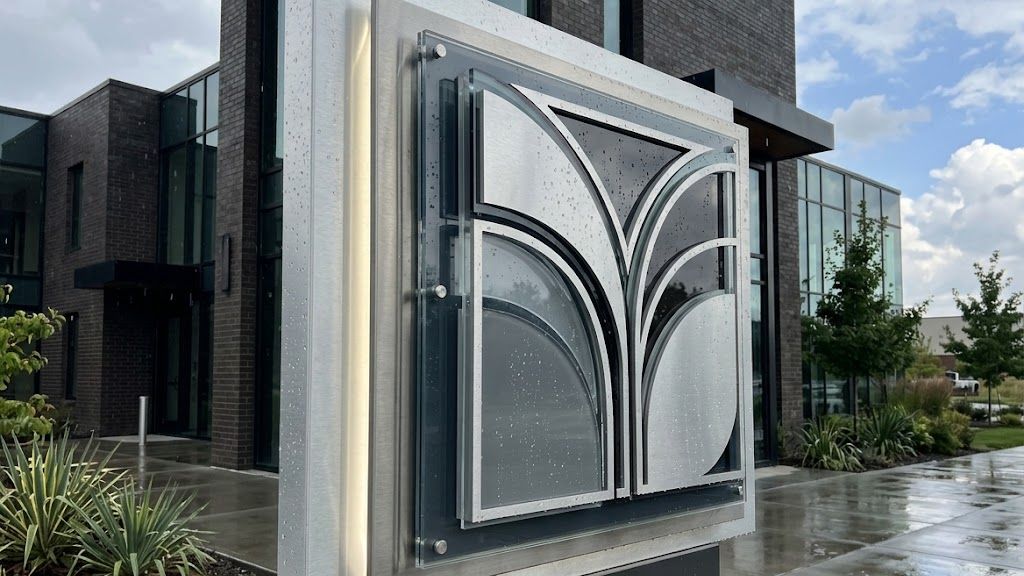
Weatherproofing keeps outdoor signage durable and effective across varied conditions. Appropriate material choices improve lifespan and performance of custom exterior signage. This article explains how material science—material selection, UV protection, and maintenance—supports sign longevity, focusing on aluminum composite materials and UV-resistant face laminates.
Material Selection
Material choice determines a sign’s function and service life. Consider durability, weight, and environmental resistance because substrates respond differently to weather and affect maintenance. Common weather-resistant options include aluminum composite materials (ACM), which are lightweight yet structurally robust.
UV-resistant face laminates add a protective layer that limits solar degradation and preserves the substrate, significantly extending service life. Choosing high-quality, weatherproof components is central to reliable exterior signage.
| Material Type | Attributes | Impact on Durability |
|---|---|---|
| Aluminum Composite Materials | Lightweight, corrosion-resistant | High durability for outdoor use |
| UV Resistant Laminate | Protects against fading, moisture-resistant | Extends lifespan by reducing wear |
| PVC | Cost-effective, but less durable than ACM | Best for temporary signage when budget is a concern |
The table summarizes common materials and their effects on expected outdoor durability.
What Makes Aluminum Composite Panels Durable for Exterior Signage?
ACM panels combine a lightweight core with tough outer skins that resist impact, corrosion, warping and moisture. Advanced surface coatings improve UV and weathering resistance, helping signs retain shape and appearance over time.
How Do Weather Resistant Properties of ACM Panels Enhance Sign Longevity?
ACM’s non-porous surfaces repel water and inhibit mold, key in humid climates. They withstand temperature swings without losing structural integrity. Controlled manufacturing and coating systems preserve both appearance and mechanical performance, making ACM a preferred option for long-lasting signage solutions.
UV Resistance
UV exposure causes fading, discoloration and material breakdown. Incorporating UV resistance preserves colour fidelity and legibility over time.
High-quality UV-resistant inks and coatings form a barrier to sunlight penetration and slow degradation, protecting brand appearance and readability.
Why Are UV Resistant Laminates Essential for Protecting Outdoor Signage?
UV-resistant laminates shield substrates from ultraviolet radiation and intense sunlight, preventing premature fading and structural deterioration and reducing replacement frequency.
How Do UV Resistant Coatings Prevent Fading and Material Degradation?
These coatings reflect or absorb harmful UV rays, slowing the chemical reactions that cause fading and substrate breakdown. Investing in proper coatings reduces lifecycle maintenance costs.
Weather Resistance
Outdoor signs must resist precipitation, temperature changes, and wind. These factors influence both visual performance and structural design decisions.
Materials engineered for moisture resistance and thermal stability, combined with waterproof finishes and reinforced supports, help signs remain functional across climates.
How Can Businesses Maximize Lifespan and Performance of Custom Exterior Signs?
Businesses can extend sign life by following a few practical steps:
- Select High-Quality Materials: Choose durable substrates like ACM and UV-resistant laminates.
- Regular Maintenance: Set a routine to inspect, clean, and repair signs promptly.
- Appropriate Placement: Place signs to minimize direct sun, prevailing winds, and other exposures.
These practices preserve effectiveness and appearance over an extended service life.
What Maintenance Practices Extend Weather Resistant Sign Longevity?
Routine inspections, scheduled cleaning to remove dirt and debris, and prompt repair of minor damage prevent escalation and protect the sign’s weatherproofing.
- Routine Inspections: Check for wear or damage regularly.
- Cleaning: Remove dirt and deposits before they accelerate deterioration.
- Repairs: Fix minor issues quickly to avoid larger failures.
Consistent upkeep maintains appearance and protective properties.
Durability Testing
Durability testing—controlled exposure to UV, temperature extremes and moisture—establishes performance benchmarks and quality standards. Choosing materials that meet these criteria increases confidence that signage will resist environmental degradation.
What Innovations in UV Laminates Improve Weatherproofing Longevity?
New UV laminate formulations offer better resistance to ultraviolet radiation, abrasion and chemical exposure, widening their suitability across climates and improving long-term performance.
Design Considerations
Design affects both aesthetics and operational effectiveness. Colour contrast, visibility and brand alignment influence performance in varied light, while structural design must address wind loads and stability for resilience in adverse weather.
Integrating durable materials, visibility strategies and weatherproofing details yields signage that stays effective and resilient over time.
How Does Custom Large Format Printing Contribute to Sign Durability?
Large-format printing delivers high-resolution graphics and vivid colour. When printed on durable substrates and protected with coatings, these graphics maintain brand presentation and contribute to longevity.
What Materials and Technologies are Integrated in Commercial Exterior Sign Printing?
Commercial exterior printing typically uses UV-resistant eco-solvent inks and protective laminates. Digital printing enables customised designs while maintaining consistent quality and durability.
This combination helps businesses choose resilient, effective outdoor signage.
Frequently Asked Questions
What are the key benefits of using weather-resistant signs?
They resist rain, UV and temperature extremes, reducing maintenance and replacement needs while keeping messages legible and colours vibrant.
Can signs be customized for specific environmental conditions?
Yes. Materials and coatings can be specified for coastal saltwater exposure, high-UV regions or other local conditions; consult signage specialists for optimal choices.
How does moisture affect outdoor signage if not properly protected?
Moisture can cause mold, warping and corrosion; untreated substrates may swell or split. Using moisture-resistant materials and coatings prevents such deterioration.
What role does color choice play in the longevity of outdoor signs?
Lighter colours reflect more UV and typically fade more slowly; high-contrast palettes improve legibility. Pair colour choices with UV-resistant inks to retain vibrancy.
How should businesses plan for the installation of outdoor signage?
Consider traffic, sun exposure and local regulations. Select sites that limit exposure to prevailing winds or flooding, and use professional installers for secure anchoring and correct sightlines.
What are the signs of wear that businesses should monitor?
Watch for fading, corrosion, cracks, dents and heavy dirt buildup. Verify structural stability and alignment; early remediation preserves life and effectiveness.
Conclusion
Investing in weather-resistant outdoor signage delivers long-term visibility and reliable performance. Materials such as aluminum composite and UV-resistant laminates improve longevity and lower maintenance. Understanding these factors helps businesses select solutions tailored to their needs. Schedule a consultation with Color Reflections today.